Synex
Where Is Artemis Now? NASA's Bold Return to the Moon Is Underway

In a moment that reignited global excitement for human spaceflight, NASA's Artemis II mission lifted off yesterday, marking the first crewed journey beyond low Earth orbit in over five decades. Four astronauts are now hurtling through space on a 10-day odyssey that promises to test the limits of exploration and pave the way for future lunar landings. If you've been wondering where Artemis stands today, the answer is as thrilling as it gets: the Orion spacecraft is actively flying toward the Moon.
The Historic Launch That Changed Everything
On April 1, 2026, at 6:35 p.m. EDT, the powerful Space Launch System rocket roared to life from Kennedy Space Center's Launch Pad 39B, propelling the Orion spacecraft and its international crew into the cosmos. This wasn't just another launch. It was America's confident step back into deep space, with the Artemis program proving that bold engineering and international collaboration can turn ambitious dreams into reality.
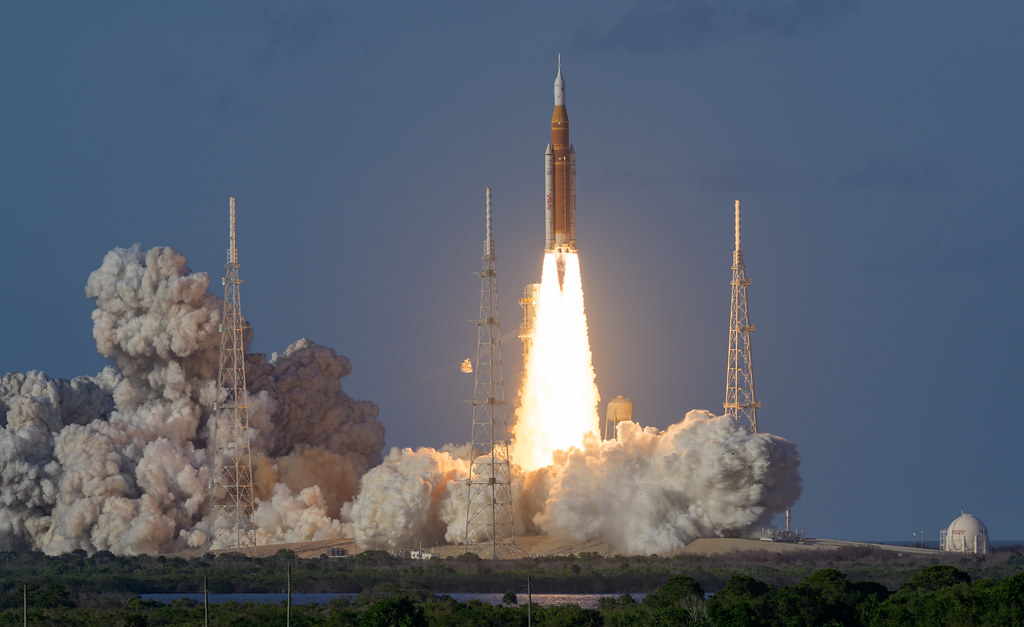 Credit: NASA
The flawless ascent, complete with eight million pounds of thrust, set the stage for what NASA officials are calling a pivotal test of Orion's life support systems with humans aboard for the first time.
Meet the Crew Pushing Boundaries
Commanded by NASA astronaut Reid Wiseman, the team includes Victor Glover, Christina Koch, and Canadian Space Agency astronaut Jeremy Hansen. These four represent the best of human ingenuity: seasoned pilots, engineers, and explorers ready to venture farther from Earth than any humans since the Apollo era. Their mission is simple yet profound: fly around the Moon, gather critical data, and return safely to inspire the next generation.
 Credit: NASA
As they settle into their orbital routines, the crew's real-time updates from space remind us why these missions captivate audiences worldwide. What would you ask them if you had the chance? Share your questions in the comments.
Orion's Current Position: High Earth Orbit and Lunar Bound
As of April 2, 2026, the Orion spacecraft, nicknamed Integrity for this flight, is in high Earth orbit following successful solar array deployment and an apogee raise burn. The crew has confirmed all systems are performing as planned, with the spacecraft now preparing for the trans-lunar injection that will send it on its path around the far side of the Moon. This 10-day journey will take the team farther from our planet than any human has traveled before, testing everything from navigation to life support in deep space.
Credit: vpm
No assumptions here: every detail comes straight from NASA's confirmed post-launch briefings and live mission updates. The spacecraft is on track, and the world is watching.
What This Means for the Future of Lunar Exploration
Artemis II isn't just a flyby. It's the bridge to Artemis III and beyond, where humans will once again walk on the lunar surface. By proving Orion's capabilities with a crew aboard, NASA is building a sustainable presence in space that could unlock scientific discoveries, resource utilization, and even steps toward Mars. This mission underscores America's leadership in space while fostering partnerships that extend humanity's reach.
The energy around this flight is electric. From live streams drawing millions to social media buzzing with awe, it's clear: space exploration is back, and it's more dynamic than ever. How does this make you feel about the next chapter in human spaceflight? Like this article if you're rooting for the crew, and comment below with your predictions for splashdown around April 11 in the Pacific Ocean.
Watch NASA's Artemis II Postlaunch News Conference for the latest mission insights
Whether you're a space enthusiast tracking every burn or simply inspired by the view from orbit, this is the kind of story that sparks real conversation. Users can write and read similar articles at Synex to stay ahead of the curve on groundbreaking missions like this.
#ArtemisII #NASA #MoonMission #SpaceExploration #OrionSpacecraft
Sources
- NASA.gov official Artemis II mission page and post-launch updates (April 2, 2026)
- Confirmed details from Space.com and CNN live coverage of the April 1 launch
Enjoying this article?
Join Synex to get notified about similar articles, discover new content, and share your own knowledge with the world!