Synex
The Claude Code Leak
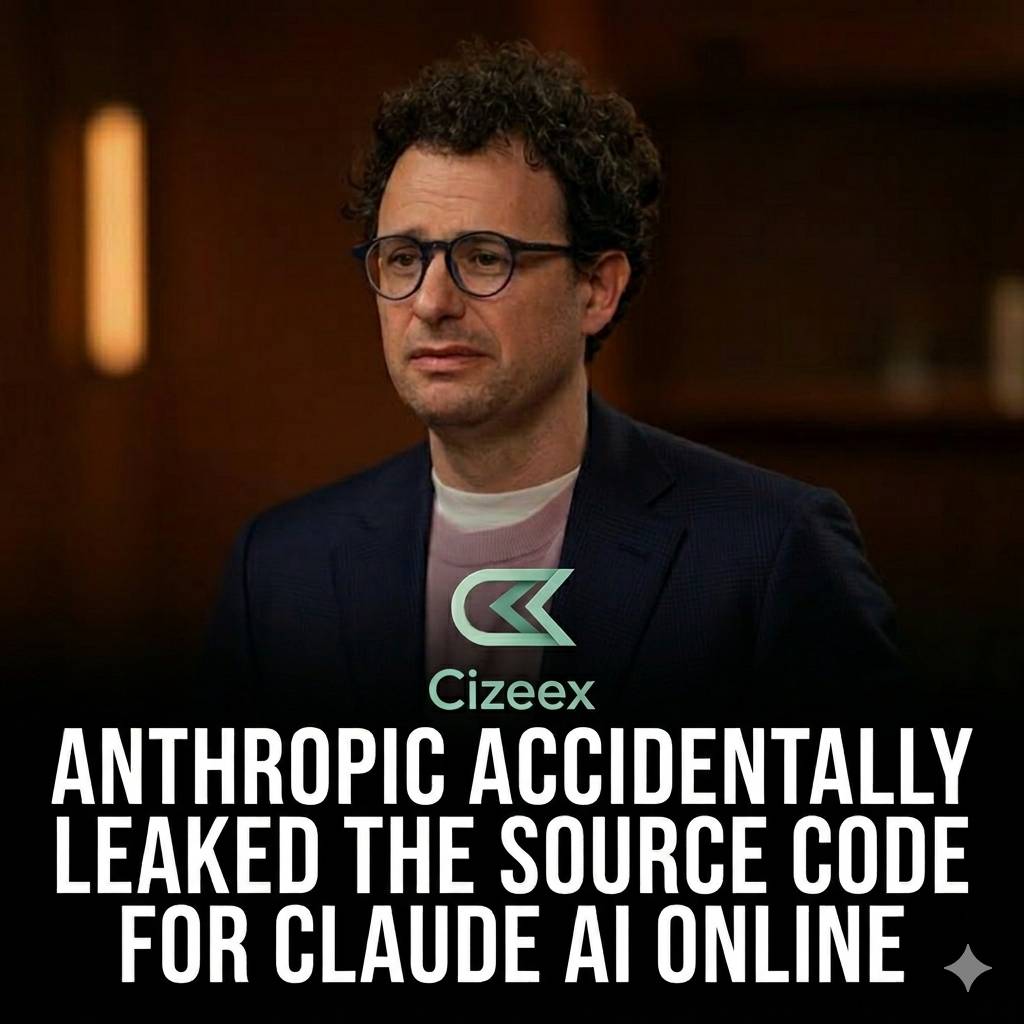
What Anthropic Exposed and Why the AI World Can't Stop Talking About It
In the fast-moving world of frontier AI, leaks aren't just embarrassing, they're a mirror to how even the most careful players can stumble. On March 31, 2026, Anthropic delivered exactly that with its latest accidental reveal: the inner workings of Claude Code, the company's powerful agentic coding tool. This wasn't a hack. It was a straightforward release packaging error. But the fallout? A rare, unfiltered look at how one of the industry's most secretive teams builds its tools. Let's break down exactly what leaked, the real-world impact, and what it signals for the future of AI development.
How a Simple Build Mistake Sparked the Latest AI Drama
Anthropic's Claude Code is the CLI tool that turns natural language prompts into full coding sessions, complete with multi-step agents that can edit files, run tests, and orchestrate complex workflows. Developers love it for its speed and precision. On March 30, the company pushed version 2.1.88 of the @anthropic-ai/claude-code package to the public npm registry. What they didn't intend to ship: a massive 59.8 MB JavaScript source map file named cli.js.map.
This debug artifact, normally stripped from production builds, contained enough metadata to let anyone reconstruct the original readable TypeScript source code. Independent developer Chaofan Shou spotted it first and shared the details publicly. Within hours, mirrored repositories popped up on GitHub, giving the world direct access to the codebase.
The timing couldn't be more ironic. This leak landed just days after Anthropic's March 26 CMS misconfiguration exposed internal documents about its unreleased Claude Mythos model—another high-profile slip that revealed early drafts of blog posts and strategic materials about the company's next frontier model.
The Packaging Error That Changed Everything
Anthropic moved quickly. The company confirmed the issue was caused by human error in its build pipeline, not a breach or malicious actor. It pulled the problematic package and issued a clear statement: no customer data, credentials, or core model weights were exposed. Still, the damage— or opportunity, depending on your view—was done.
Exactly What Leaked: A Deep Dive Into the Files
The reconstructed source clocked in at roughly 512,000 lines of TypeScript spread across about 1,900 files. That's not just boilerplate. It includes the full internal architecture of Claude Code's agentic system, including how it handles tool calling, multi-agent orchestration, and persistent session management.
Key revelations from the exposed code:
- Detailed system prompts and 44+ feature flags that control unreleased capabilities.
- Backend logic for background agents, scheduled tasks, and cron-style automation.
- Integration hooks for Playwright browser control, allowing the tool to navigate and interact with live web pages autonomously.
- Multi-Claude coordination patterns for splitting complex tasks across multiple model instances.
- Internal notes on UI components, terminal rendering, and even experimental "fun" elements like a hidden Buddy AI pet (a tamagotchi-style companion referenced in comments).
None of this touches the actual Claude model weights or training data. Instead, it peels back the engineering layers that make the tool feel so fluid and powerful in practice.
Source: Conceptual AI systems illustration via Picsum CDN
Developers who have pored over the files describe it as a blueprint for next-generation coding agents—complete with comments hinting at Anthropic's 2026 roadmap.
The Real Impact: Security, Competition, and a Wake-Up Call
For a company that positions itself as the gold standard in AI safety, this double leak (Mythos documents followed by Claude Code source) raises pointed questions about internal processes. The irony is thick: Claude Code is built to help developers write more secure code, yet its own deployment pipeline let debug artifacts slip through.
Competitors now have an unprecedented window into Anthropic's agent design philosophy. Security researchers can audit the code for potential weaknesses in how agents interact with local filesystems or external tools. And the broader industry gets a live case study in why source map hygiene matters—even for closed-source products.
On the positive side, the leak highlights how far agentic coding has come. Features hidden behind flags suggest Anthropic is already testing autonomous agents that could handle entire project lifecycles with minimal human oversight. For everyday developers, that future looks closer than ever.
That said, no user data was compromised, and Claude Code remains fully functional. The real story here is transparency by accident: a reminder that even AI leaders are still figuring out how to ship complex tools at scale without unintended exposures.
Source: Cybersecurity and tech leak visualization via Picsum CDN
What does this mean for you? If you're using Claude Code today, the core experience hasn't changed. But the exposed architecture could accelerate open-source alternatives and push the entire ecosystem to ship safer, more auditable agents.
More Context: This Fits a Pattern—And Sparks Bigger Questions
This isn't the first time Claude-related internals have surfaced. Earlier system prompt leaks from 2025 offered glimpses into Anthropic's guardrails and reasoning style. The Mythos documents, meanwhile, confirmed the company is pursuing a "step change" model with major gains in coding, reasoning, and cybersecurity capabilities—internally codenamed Capibara or Capybara.
Together, these incidents paint a picture of an organization moving at breakneck speed while still refining its operational security. Anthropic has acknowledged both events as human-configuration errors and moved to close the gaps. The company continues to emphasize that its focus remains on building safe, reliable AI.
For a closer look at the broader implications, check out this breakdown of the Mythos reveal and its cybersecurity angle: Claude Mythos Leak Analysis on YouTube.
The leaks have the community split—some see marketing genius in the "accidental" hype, others genuine growing pains. Either way, they deliver something rare: verifiable insight into how frontier AI tools are actually engineered.
What do you think—does this leak make you more or less confident in closed-source AI tools? Have you dug into the mirrored repos yet? Drop your take in the comments below, and if this kind of deep dive on emerging tech got you thinking, hit that like button. We're all learning in real time.
You can write and read similar articles at Synex—where the conversation around AI, code, and the future never slows down.
#ClaudeCodeLeak #Anthropic #AICoding #AgenticAI #TechLeaks #AISafety
Sources
- Fortune (March 26–31, 2026 reporting on Mythos and Claude Code leaks)
- VentureBeat (detailed coverage of the npm source map exposure)
- Anthropic official statements via spokesperson responses
- Public npm registry archives and GitHub mirrors referenced in developer discussions
Enjoying this article?
Join Synex to get notified about similar articles, discover new content, and share your own knowledge with the world!