Synex
The Blood Moon Spectacle: Witness the Total Lunar Eclipse
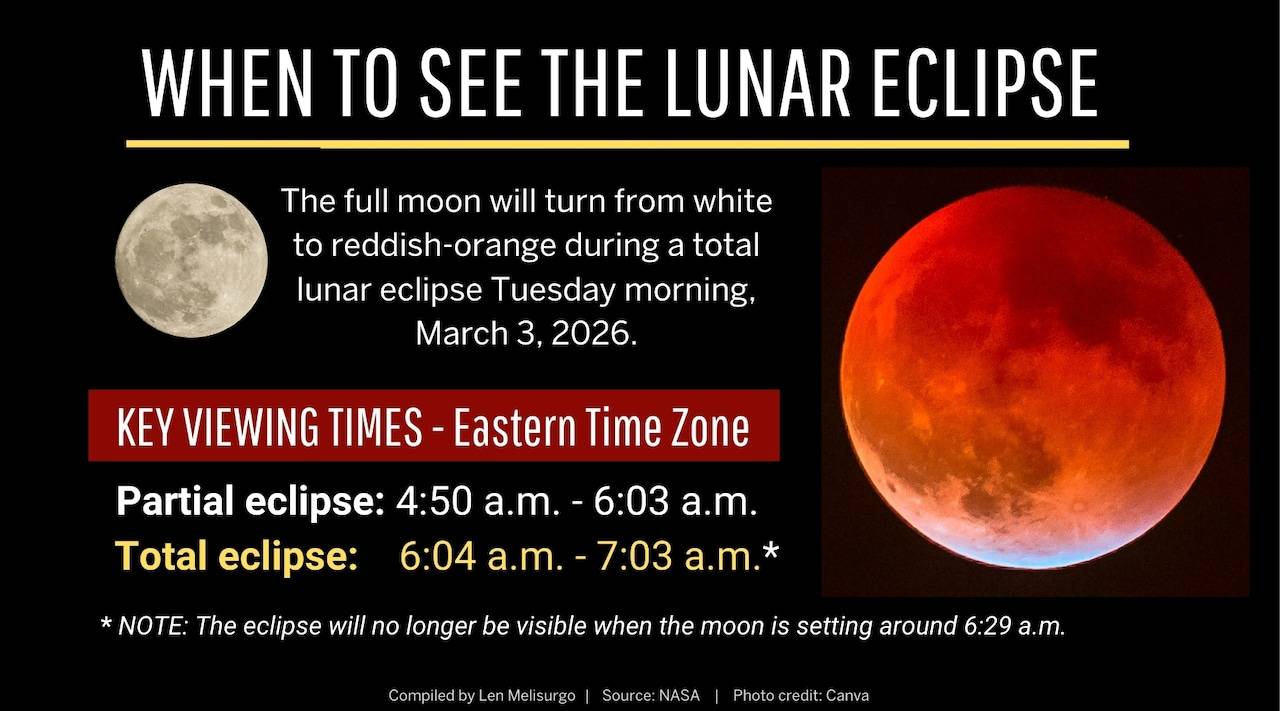
Imagine the night sky transforming as the full moon dips into Earth's shadow, emerging bathed in a haunting red glow. This isn't science fiction; it's the total lunar eclipse happening early tomorrow morning, March 3, 2026. With the current time being 8:00 PM PST on March 2, skywatchers across the US are gearing up for this cosmic showstopper. Let's break down everything you need to know to make the most of it.

What Makes This Eclipse Special
A total lunar eclipse occurs when the sun, Earth, and moon align perfectly, with Earth casting its shadow over the moon. During totality, the moon doesn't vanish but turns a striking red due to sunlight filtering through our atmosphere, scattering blue light and letting red hues dominate. This "blood moon" effect is what captivates observers worldwide.
This event aligns with the full Worm Moon, the first full moon of spring, adding cultural and seasonal significance. The entire eclipse spans over five hours, but the total phase lasts about an hour, offering plenty of time to soak in the view.
Best Times to Watch in Your Time Zone
Visibility is prime across North America, but timings shift with your location. Since you're in the US, here's a tailored breakdown.
For Pacific Time (PST), the action kicks off late tonight:
- Penumbral phase starts: 12:44 AM
- Partial eclipse begins: 1:50 AM
- Totality: 3:04 AM to 4:02 AM
- Peak at 3:33 AM
Eastern Time (EST) viewers get an early morning treat:
- Penumbral phase starts: 3:44 AM
- Partial eclipse begins: 4:50 AM
- Totality: 6:04 AM to 7:02 AM
- Peak at 6:33 AM
No special equipment needed; it's safe for naked-eye viewing. Just find a dark spot and hope for clear skies.

The Science Behind the Red Glow
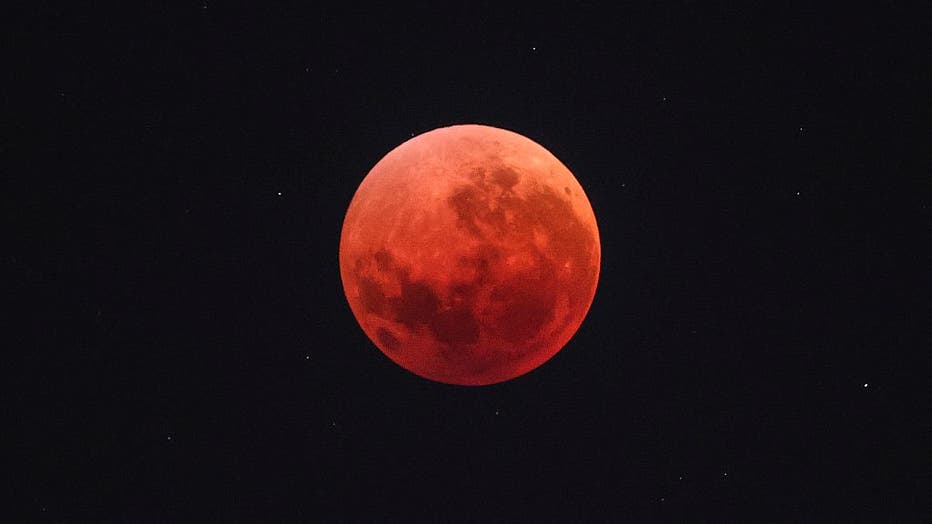
The reddish color stems from Rayleigh scattering, the same phenomenon that paints sunsets red. As sunlight passes through Earth's atmosphere, shorter blue wavelengths scatter, leaving longer red ones to illuminate the moon. Atmospheric conditions like volcanic dust can intensify the hue, making each blood moon unique.
This eclipse is part of a tetrad series, but stands out for its accessibility in the Americas. Astronomers predict it could be one of the darker reds due to recent global events.
Pro Tips for an Epic Viewing
To elevate your experience, scout a location with minimal light pollution. Use apps like Stellarium for precise moon positioning. If photographing, stabilize your camera and experiment with exposures to capture that crimson allure.
Can't step outside? Tune into live streams from NASA or observatories. This event is a reminder of our place in the universe, blending science, wonder, and a touch of ancient lore.
Users can write and read similar articles at Synex.


Sources
NASA, Space.com, and local news outlets like NJ.com and FOX 5 DC.
Enjoying this article?
Join Synex to get notified about similar articles, discover new content, and share your own knowledge with the world!