Synex
Lula Wins Historic Fourth Term

Lula Wins Historic Fourth Term as Flávio Bolsonaro Falls Short in Brazil’s 2026 Runoff
Brazil’s presidential runoff on October 25, 2026 delivered a dramatic political reversal. Incumbent Luiz Inácio Lula da Silva of the Workers’ Party defeated Senator Flávio Bolsonaro of the Liberal Party to secure a fourth non-consecutive presidential term.
According to results reported from Brazil’s Superior Electoral Court (TSE), Lula received 51.79 percent of valid votes (64,256,232), compared with Flávio Bolsonaro’s 48.21 percent (59,826,041).
The outcome marks a significant comeback after Flávio led in the first round on October 4.
From First-Round Lead to Runoff Defeat
Flávio Bolsonaro, 45, entered the runoff as the eldest son of former president Jair Bolsonaro and a leading figure on Brazil’s political right. In the first round he received 47.03 percent of valid votes against Lula’s 45.16 percent. The runoff reversed that result.
The campaign highlighted deep divisions over public security, economic policy, social welfare, and Brazil’s future direction. Lula, 80, focused on continuing social programs and institutional stability. Flávio emphasized tougher crime policies, economic liberalization, and support for his father.
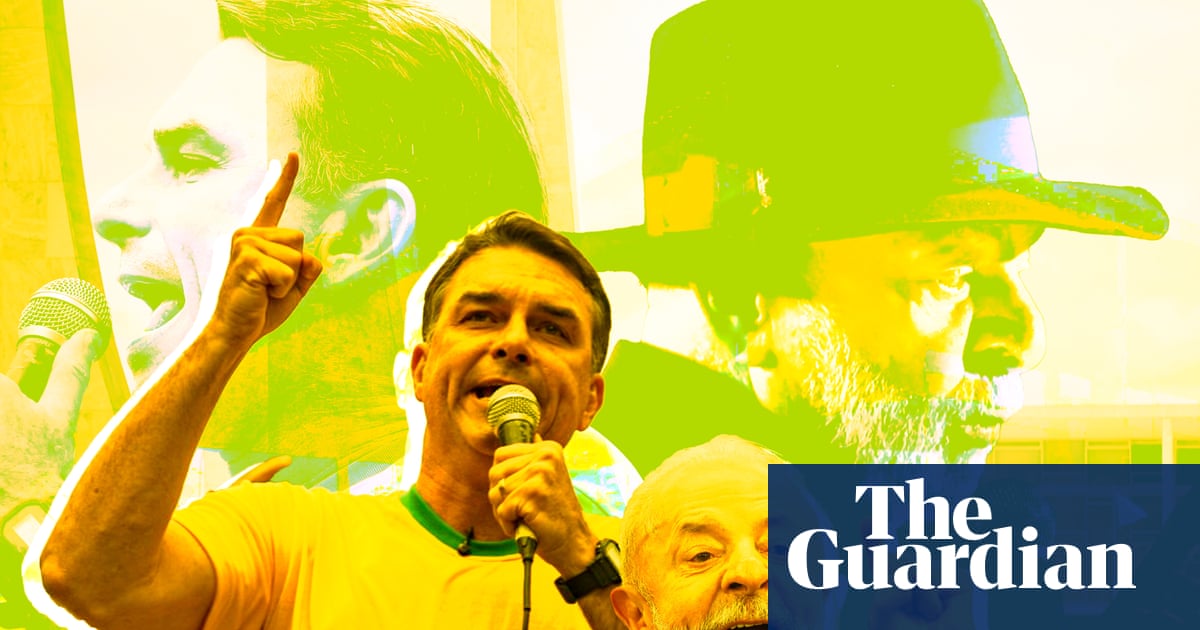
source The Guardian
A Close Election and a Divided Country
The runoff underscored Brazil’s political polarization. Lula retained strong support among voters favoring social welfare programs, while Flávio appealed to those seeking conservative policies and a firmer approach to crime.
Reports of a two-hour voting extension ordered by the Supreme Court and subsequent statements by Flávio questioning the result have been widely covered by major outlets. Any formal legal challenges will be decided through Brazil’s electoral institutions.
source Al Jazeera / AFP
What Comes Next for Brazil?
Lula’s victory gives his administration another four years in office. Governing will require navigating a divided electorate and complex political and economic challenges.
For the opposition, Flávio Bolsonaro’s strong showing demonstrated the continuing influence of the Bolsonaro political movement. The result also raises questions about future leadership and priorities on Brazil’s right.
The next term will test Lula’s ability to deliver on economic and social commitments while addressing public concerns about security, living costs, and accountability.
Watch more election coverage and analysis: https://www.youtube.com/watch?v=YmYjCPNQHz8
What do you think Lula’s victory means for Brazil’s next chapter? Share your perspective in the comments, hit like if this summary was useful, and subscribe for more clear reporting on major global stories.
You can write and read similar articles at the Cizexee app.
#BrazilElections2026 #BrazilPolitics #Lula #FlavioBolsonaro #LatinAmerica
Sources
- Brazil’s Superior Electoral Court (TSE)
- Reuters
- Associated Press
- Agência Brasil
- The Guardian
- Al Jazeera
Get the next story before it trends
Join Cizeex free to react, comment, and catch new stories first, or get the Cizeex app.
Join Cizeex free