Synex
How Virtual Photography Translates Video Game Environments into Cinematic Cinematics

How Virtual Photography Translates Video Game Environments into Cinematic Cinematics
For many creators, video games are simply for leveling up or finishing tasks. For virtual photographer Sindy Jb, they are a living canvas. Her work, which features in major genre sites like Rockstar, Ubisoft, and 505 Games, shows how in-game aesthetic elements can be translated into still images.
Defining the 'Virtual Photography' Aesthetic
Virtual photography is best described as taking the tools, lighting, and composition from traditional shooting and applying them within a digital world. Sindy Jb’s profile shows an obvious path through her methods: she builds photographic locations in highly cinematic fields, and then shoots them without cutting into the environment.
This approach allows the viewer to experience a setting the developer intended, but without the distraction of user interfaces or HUD elements.
Key Elements in Her Work
- Environmental Storytelling: Framing empty, atmospheric landscapes with the density of the world's history.
- Lighting: An intimate focus on natural shadows and global illumination in various lighting scenarios.
- Worldbuilding Details: Highlighting textures, materials, and distant environmental details.
Feature Highlights
Assassin's Creed Black Flag Resynced. The image below captures a classic Caribbean pirate environment—relying on textures to make the sand, the green of the foliage, and the rigging feel real. The moment focuses on the intersection of natural light and an unpopulated area, making the viewer feel the heat of the location. By pulling out this image, Sindy Jb isolates the raw aesthetics of the Caribbean sea.
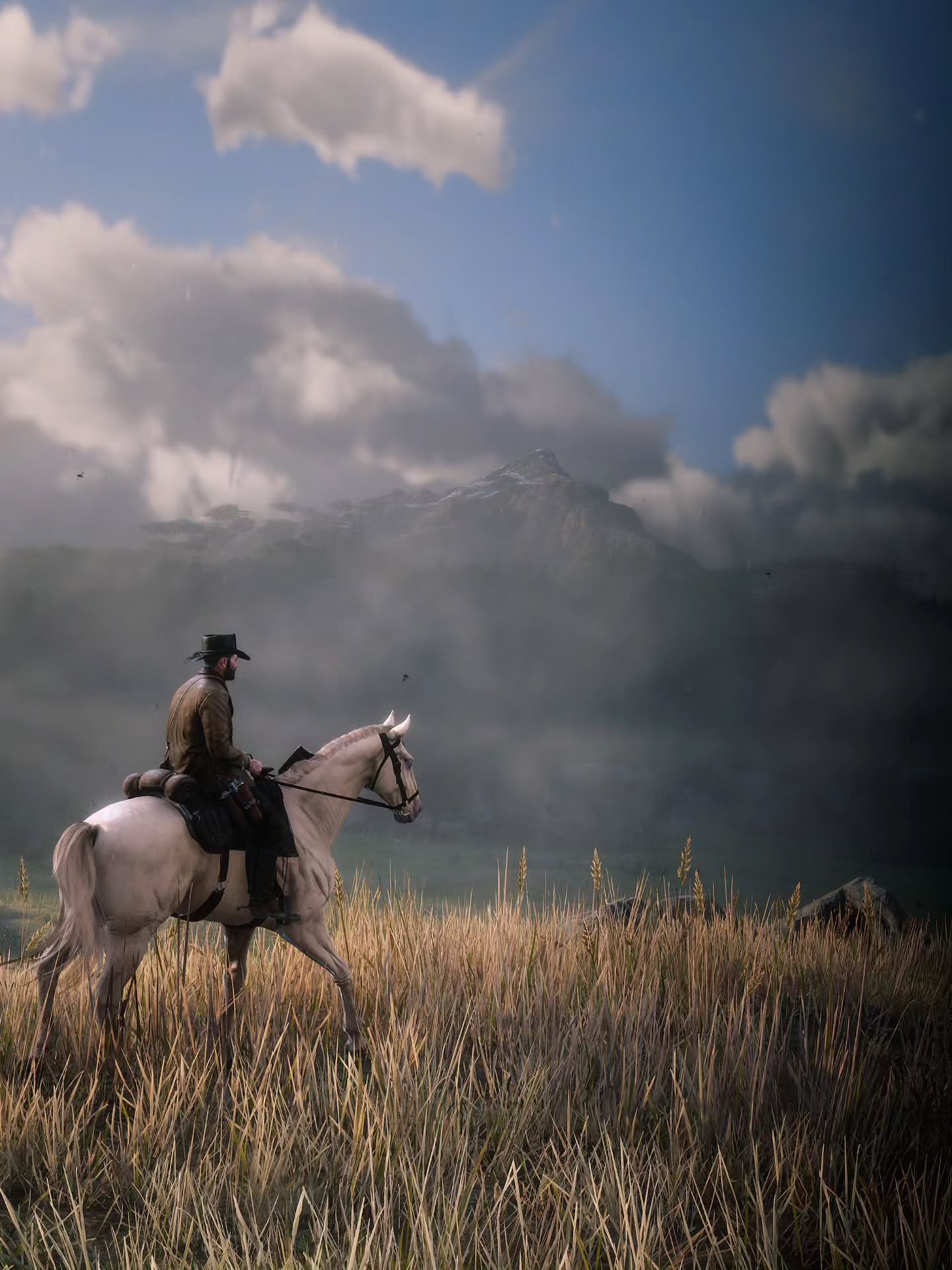
Red Dead Redemption II. Moving to the Wild West, the focus drops to the grit and atmosphere of the natural environment under Arthur Morgan's eyes. RDR2 uses the Red Dead engine to light the foreground character with a warm, glowing internal vibe. Here, the light falls narrowly on the character, making the dark background absorb the presence. The sheer scale of the environment presses down on the human subject, typical of RDR2's aesthetic approach.
Bringing Different Genres to Life

The Blood of Dawnwalker. The Blood of Dawnwalker takes a different direction with its gothic, vampire-themed nature. The colors are dim, moody, and deeply shadowed. The shot separates an in-world cinematic sequence and the artificial nature of the surroundings, using the atmosphere to build a sense of dread. The user sees the lighting is intentionally tuned to provide an eerie, isolated feel—perfect for the horror-action genre it belongs to.
The Impact of Video Game Presentation
Virtual photography allows fans to have a new interaction with a game. When developers see artists highlighting their textures and their lighting systems, it brings attention to the overall quality of a game. It's an indirect marketing tool that showcases how much effort put into a 3D environment comes to life when captured in a high-quality 2D representation.
This process proves that the technical beauty of a game is worth appreciating outside the context of a gameplay loop.
Get the next story before it trends
Join Cizeex free to react, comment, and catch new stories first, or get the Cizeex app.
Join Cizeex free