Synex
Gold Prices Hit Record Highs in September 2025
Drivers, Historical Parallels, and What Lies Ahead
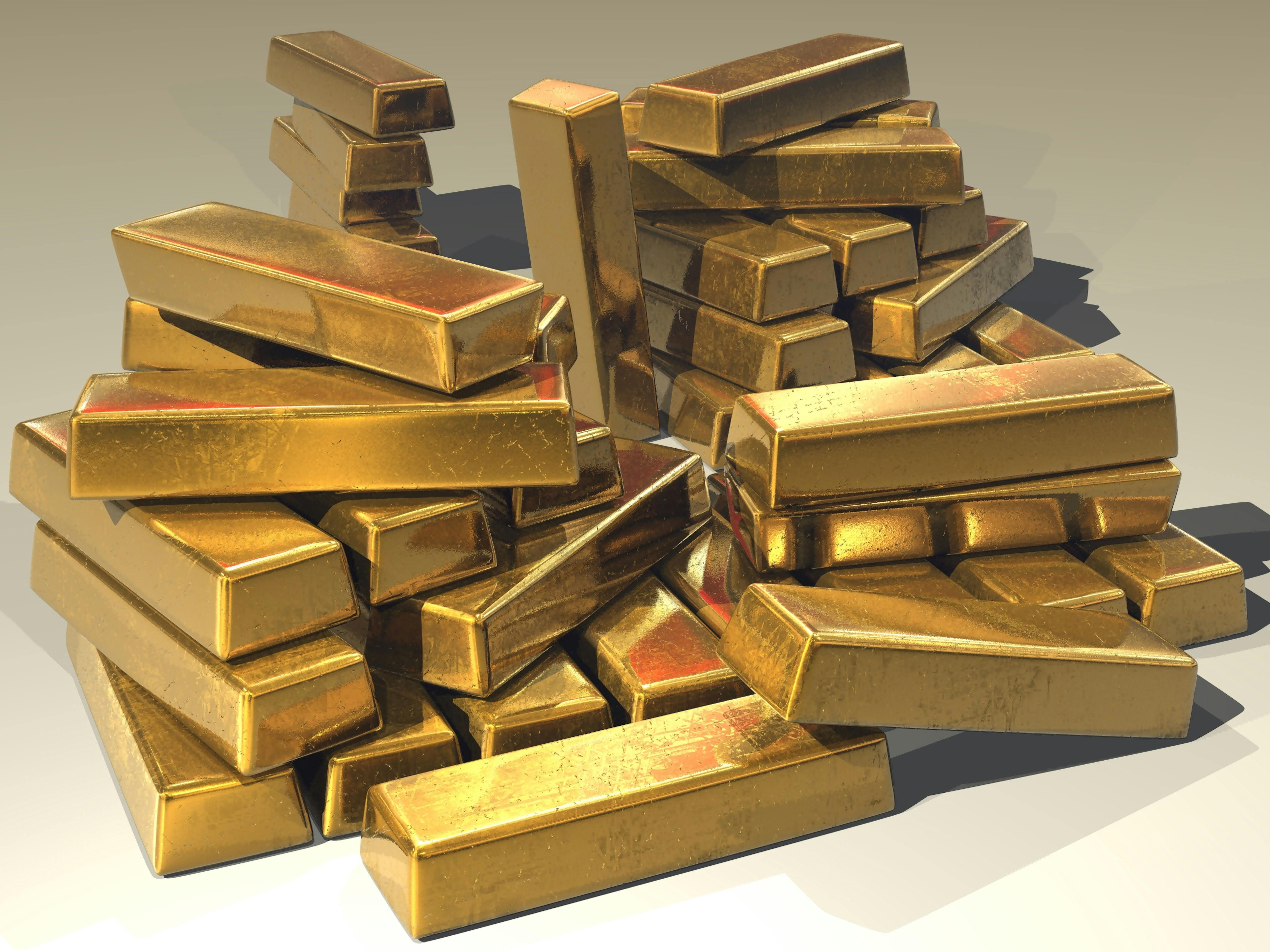
As of September 1, 2025, gold prices have surged to $3,474.76 per troy ounce, marking a daily increase of approximately $25.52 (0.74%) and a year-to-date rise of over 39%. This impressive rally is fueled by a mix of geopolitical tensions, robust central bank demand, and expectations of monetary policy easing. Investors are turning to gold as a safe-haven asset amid ongoing U.S.-China trade disputes, tariff implementations, and broader global uncertainties, which have heightened economic risks and driven demand for non-yielding hedges like precious metals. Central banks, particularly in emerging markets, are on track to purchase around 900 tonnes of gold this year, diversifying reserves away from the U.S. dollar in response to sanctions risks and de-dollarization trends. Additionally, cooling U.S. inflation at 2.7%—still above the Federal Reserve's 2% target—combined with a weaker dollar and strong ETF inflows of $38 billion in the first half of 2025, has further propelled prices upward. Analysts from institutions like J.P. Morgan and Goldman Sachs forecast gold could reach $3,100–$3,700 by year-end, underscoring the bullish momentum.
Historical Parallels: Echoes of Past Surges
The current gold rally bears striking similarities to previous eras where geopolitical instability, economic uncertainty, and central bank activity converged to drive prices skyward. Let's compare two such periods: the late 1970s–early 1980s stagflation crisis and the 2008–2011 global financial meltdown.
Late 1970s–Early 1980s: Stagflation and Geopolitical Turmoil
During this time, gold prices exploded from around $100 per ounce in 1976 to a peak of $875 in 1980 (equivalent to about $3,300 in 2025 dollars), driven by high inflation peaking at 14.8%, a weakening U.S. dollar post-Bretton Woods collapse, and geopolitical events like the Soviet invasion of Afghanistan and the Iranian Revolution[^0]. Central banks increased gold reserves amid eroding confidence in fiat currencies, much like today's de-dollarization push by BRICS nations[^5]. Similar to 2025's trade tensions and tariff-driven inflation fears, the 1970s era featured economic stagnation coupled with oil shocks, making gold a preferred hedge. However, once inflation was tamed by aggressive Fed rate hikes under Paul Volcker, gold prices stabilized and declined, illustrating how resolution of underlying pressures can cap rallies.
2008–2011: Global Financial Crisis and Debt Woes
Gold surged from $730 in October 2008 to $1,825 by mid-2011 amid the Lehman Brothers collapse, widespread market panic, and the European sovereign debt crisis[^0]. Central banks, especially in China and India, ramped up purchases to diversify from dollar assets, echoing 2025's record central bank buying of over 1,000 tonnes annually since 2022. The Federal Reserve's quantitative easing and near-zero rates weakened the dollar, boosting gold's appeal—paralleling current expectations of Fed cuts amid trade uncertainties. As economic recovery took hold post-2011, gold pulled back, with investor capital shifting to equities during the subsequent bull market.
In both eras, gold's role as a safe-haven amplified during uncertainty but moderated once stability returned, suggesting that if 2025's geopolitical tensions (e.g., U.S. tariffs) resolve, capital could rotate out of gold into riskier assets like stocks, potentially leading to price consolidation or declines.
The Impact of Federal Reserve Rate Cuts on Gold Prices
Federal Reserve interest rate cuts typically have a positive impact on gold prices, as they lower the opportunity cost of holding non-interest-bearing assets like gold and often weaken the U.S. dollar, making it more affordable for global buyers. Historical examples reinforce this: During the 2008 financial crisis, the Fed's aggressive cuts to near-zero rates triggered a multi-year gold rally, with prices rising over 150% as investors sought protection amid economic turmoil. Similarly, in 2020, pandemic-era rate reductions contributed to gold surpassing $2,000 per ounce for the first time. In the current context, with inflation cooling and a September 2025 Fed cut anticipated, gold could see further gains, potentially extending its bullish trend toward $3,500 or higher. However, if cuts signal deeper recessionary risks, short-term volatility might ensue, though gold's safe-haven status could ultimately benefit.
Disclaimer: This article is for informational purposes only and does not constitute financial advice. Investing in gold or any asset involves risks, and individuals should consult with qualified professionals before making decisions.
For more in-depth articles and the latest market news, check out Cizeex Market Insights at cizeex.com, where you can find expert analyses on precious metals, economic trends, and investment strategies.
References
[^0]: Investopedia, “Understanding the Dynamics Behind Gold Prices,” link. [^1]: Goldman Sachs, “Gold Price Forecast,” link. [^2]: World Bank, “Gold Shines Amid Geopolitical Uncertainties,” link. [^5]: Discovery Alert, “Global Uncertainty: How Geopolitical Tensions Impact Gold Prices,” link. [^6]: World Gold Council, “Central Bank Gold Demand,” link. [^9]: J.P. Morgan, “Gold Outlook 2025,” link. [^10]: Reuters, “How Interest Rates Affect Gold Prices,” link. [^12]: Bloomberg, “Gold’s 2020 Surge,” link. [^15]: Federal Reserve, “Monetary Policy Reports,” link. [^17]: Kitco News, “Gold Price Update September 2025,” link. [^18]: Financial Times, “Geopolitical Tensions Boost Gold,” link. [^19]: ETF Trends, “Gold ETF Inflows 2025,” link.
Get the next story before it trends
Join Cizeex free to react, comment, and catch new stories first, or get the Cizeex app.
Join Cizeex free